Using AI as My Coach for a Cross-Country Triathlon
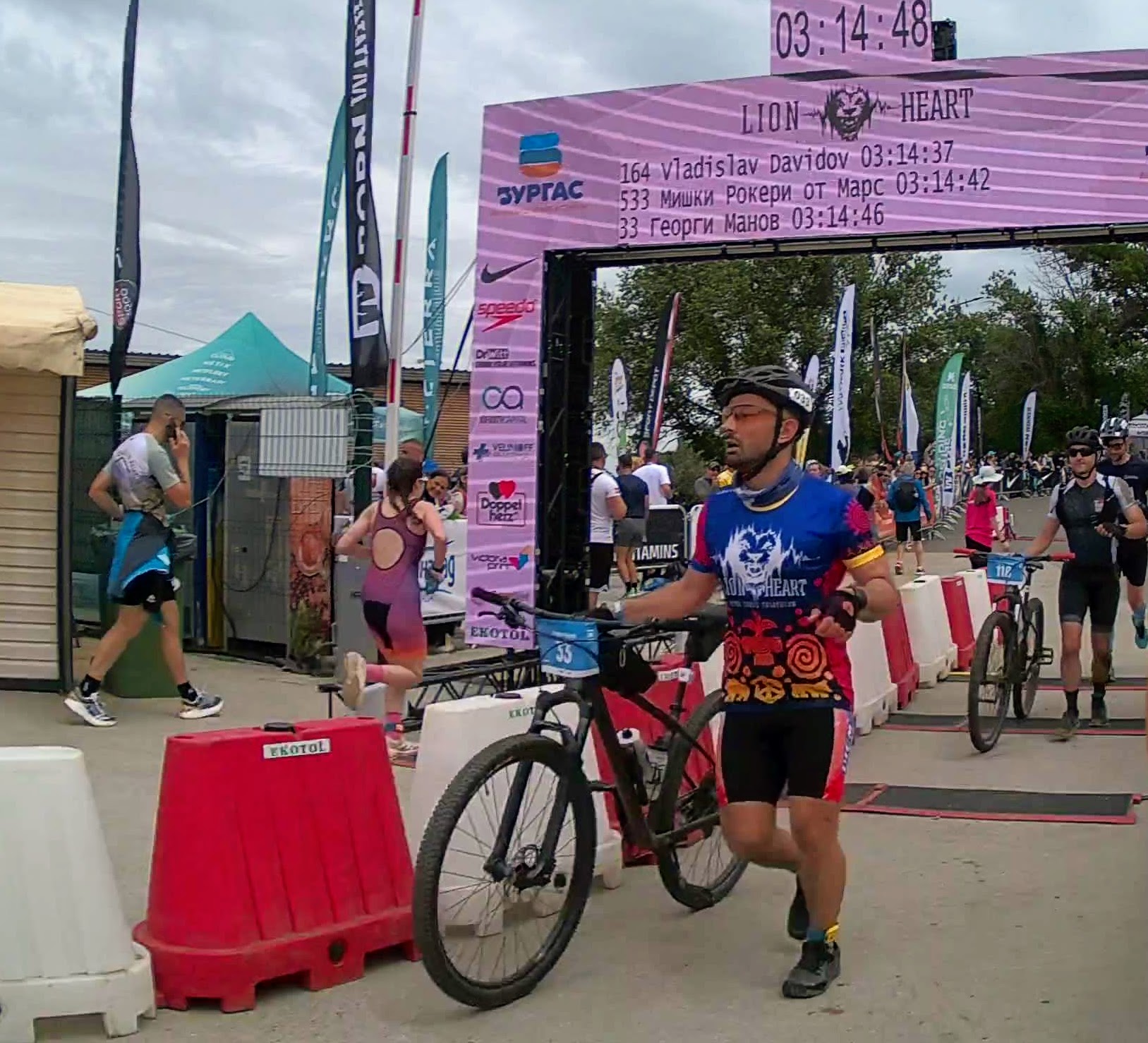
A few months ago, I signed up for Lion Heart Utopia, a cross-country triathlon in Bulgaria.
The challenge? A 1.5 km open-water swim, followed by 40 km of mountain biking through the rough terrain of Strandzha Mountain, and then a 10 km run to the finish line.
The bigger challenge? I had only about two months to prepare.
Despite that, I crossed the finish line in just over 4 hours and 20 minutes.
And while I spent countless hours swimming, cycling, and running, I had another training partner helping me along the way: AI.
Starting Late (Again)
Like many amateur athletes, I made the classic mistake.
I signed up for the race and then... didn't really start preparing.
When there were only a couple of months left, I opened Garmin Connect and looked for a training plan. The recommended Olympic-distance triathlon plans were 12 weeks long. I didn't have 12 weeks.
So I turned to ChatGPT and Gemini.
At first, the questions were simple:
- How can I prepare for a triathlon in two months?
- What should I focus on if I'm already behind schedule?
- What are the biggest mistakes to avoid?
The answers were useful, but they weren't dramatically different from what traditional training plans suggested.
Then I realized I was asking the wrong questions.
From Search Engine to Coach
Instead of asking for generic advice, I started providing context.
I shared my fitness level, age group, VO₂ max, weight, available training time, and race goal.
The conversation immediately became more valuable.
AI wasn't replacing a coach. It was helping me think like one.
I started asking questions throughout my training:
- Should I run or swim today if I only have 30 minutes?
- Why is protein so important during training?
- What should I eat after a hard bike session?
- Why am I feeling hungry all the time?
- Is Skyr or cottage cheese better before bed?
- What should I do if my Achilles tendon starts hurting?
Of course, for anything medical, I still relied on professionals. When my Achilles started acting up, I consulted a doctor and worked with a physiotherapist.
But AI became a surprisingly useful source of day-to-day guidance and explanations.
Creating My Digital Coach
As the race got closer, I wanted more consistency in the advice I received.
That's when I started experimenting with custom AI personas.
I created a coach profile that combined two things:
- A data-driven endurance coach
- A no-excuses motivational style
The idea was simple: give the AI enough context so it understood my goals, limitations, training history, and personality.
Over time, I refined the setup and continuously updated it with new information:
- Training activities
- Garmin metrics
- Sleep data
- Nutrition notes
- Recovery information
- Personal observations after workouts
The more context it had, the more useful the conversations became.
Data Makes the Difference
One lesson became obvious very quickly:
The quality of the advice depended heavily on the quality of the data.
Instead of asking, "How am I doing?", I could ask:
"Here are my last three weeks of training, my sleep scores, recovery metrics, and today's workout. What should I focus on next?"
The answers became far more specific.
I even automated parts of the process so my latest activity data was available without manually uploading everything each day.
It wasn't perfect, but it felt like having a coach who always had access to my training journal.
Not One Coach, But Two
Eventually I split the responsibilities.
One AI focused primarily on training and performance.
The other focused on nutrition.
That might sound excessive, but endurance sports teach you quickly that fitness isn't built only in the pool, on the bike, or on the running trail.
A lot of it happens in the kitchen.
Having separate conversations for training and nutrition helped keep things organized and produced better recommendations.
Planning Around Real Life
One unexpected benefit was scheduling.
I use my calendar as my daily dashboard. It's where I keep track of work, family commitments, and training sessions.
By connecting AI to my planning process, I could quickly adjust workouts based on available time, recovery status, or unexpected changes during the week.
It wasn't always perfect, but it was often faster than manually rebuilding my schedule.
What I Learned
The biggest surprise wasn't that AI could generate training plans.
Most training plans already exist.
The real value was having a system that could:
- Explain the reasoning behind recommendations
- Adapt advice to my current situation
- Answer questions instantly
- Help me stay accountable
- Organize large amounts of training data
Did AI get me across the finish line?
No.
The swimming, cycling, and running were still my responsibility.
But AI helped me make better decisions, stay consistent, and learn more about training than I probably would have otherwise.
And as AI tools continue to evolve, I can see them becoming an increasingly valuable companion for athletes, coaches, and anyone trying to improve at something difficult.
For me, this triathlon was more than a race.
It was also an experiment in what happens when endurance training meets artificial intelligence.
I'd say the experiment was a success.